

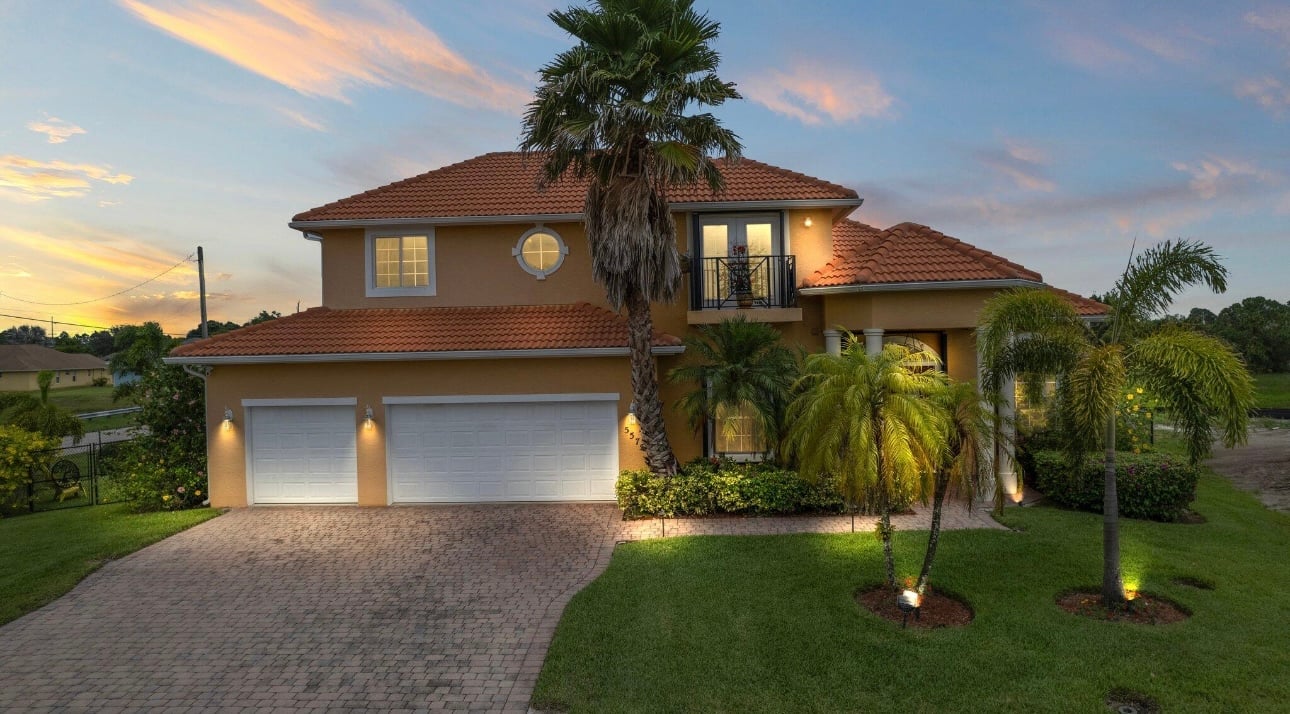
Port St. Lucie isn't the market it was a few years ago. Inventory is up 15 to 40% year-over-year depending on the neighborhood, homes are averaging 85 to 94 days on the market, and buyers have room to negotiate again. Sellers who are still working off 2021 instincts are the ones leaving money on the table — here's where.
1. Pricing to Last Year's Market
With inventory up this much, the comp that sold eight months ago isn't a reliable guide anymore. Homes with even one price reduction typically end up selling for 2 to 5% less than if they'd been priced accurately from day one — buyers now have enough options that an overpriced listing just gets scrolled past, not negotiated on.
2. Listing at the Wrong Time and Not Adjusting the Plan
Homes sold May through July tend to command a 5 to 10% premium over homes sold November through February. That doesn't mean don't sell in winter — sometimes you don't have the choice — but it does mean your pricing and marketing strategy should account for slower seasonal demand rather than assuming the same numbers apply year-round.
3. Skipping Pre-Listing Repairs
In a buyer's market, buyers negotiate harder on condition because they can afford to. A $2,000 repair ignored before listing often turns into a $10,000+ credit request during inspection, once a buyer's inspector puts a number on it and the buyer has other listings to walk away to.
4. Skipping Staging
Staged homes sell for an average of 1 to 5% more than comparable unstaged homes, and they typically sell faster — which matters a lot more when the average listing is already sitting for 85-plus days. This doesn't have to mean a full staging company; even decluttering and depersonalizing photographs measurably better.
5. Ignoring How Different Port St. Lucie's Sub-Markets Really Are
Master-planned communities like Tradition and St. Lucie West are holding $450,000-plus pricing, while areas east of US-1 are moving at a very different price point. A generic "Port St. Lucie" comp pulled from an app blends these together and can badly mislead your pricing — what your specific neighborhood is doing matters more than the citywide average.
6. Limiting Showings
Restricting showing windows to "weekends only" or requiring 48 hours notice feels reasonable, but every showing you turn away is a buyer who moves on to a home that said yes. Fewer eyes on the property means fewer offers, and in a market with this much competing inventory, that's a real cost, not a minor inconvenience.
7. Accepting the First Offer Without a Second Look
The first offer isn't always the best one, even when it's tempting to grab it after a slow first few weeks. Financing contingencies, appraisal gaps, and closing timelines can matter as much as the number on the page — an offer $5,000 lower with fewer contingencies and a pre-underwritten loan can be worth more than a higher offer that falls apart in escrow.
Thinking about listing in Port St. Lucie? I'll walk your specific street — not the citywide average — and tell you honestly where your home lands before you set a price.
Sources: Opendoor — costly seller mistakes, Port St. Lucie 2026 market data
Check out this article next